If you’ve ever seen a television mounted neatly on a wall and wondered how it works, you’re not alone. TV wall mounts have become one of the most popular home upgrades in modern living rooms, bedrooms, and offices.
In this complete beginner guide, we’ll explain exactly what a TV wall mount is, how it works, the different types available, and how to choose the right one for your setup.
What Is a TV Wall Mount?
A TV wall mount is a metal bracket that attaches your television securely to a wall. Instead of placing your TV on a stand or table, a wall mount holds it firmly in place, saving space and creating a clean, modern look.
Most wall mounts connect to the back of your TV using a standard mounting system called VESA (Video Electronics Standards Association).
In simple terms:
A TV wall mount is a bracket system that safely holds your television on a wall.
Why Do People Use TV Wall Mounts?
Here are the main reasons people choose to mount their TVs:
1️⃣ Saves Space
Wall mounting removes bulky TV stands and frees up floor space.
2️⃣ Cleaner Appearance
No visible stands or clutter. It gives your room a modern look.
3️⃣ Better Viewing Angle
Some mounts allow tilting or swiveling to reduce glare and improve comfort.
4️⃣ Safer for Kids & Pets
Mounted TVs are less likely to tip over compared to TVs on stands.
Main Types of TV Wall Mounts
There are three primary types of TV wall mounts. Choosing the right one depends on your needs.
1️⃣ Fixed TV Wall Mount
🟢 Best for: Simple, flat mounting
A fixed mount holds your TV flat against the wall. It does not move or adjust.
Pros:
- Slim profile
- Affordable
- Easy to install
Cons:
- No tilt or swivel
- Harder to access cables
2️⃣ Tilting TV Wall Mount
🟢 Best for: TVs mounted higher on the wall
A tilting mount allows you to tilt the TV up or down slightly.
Pros:
- Reduces glare
- Better viewing angle for higher placement
Cons:
- No side-to-side movement
3️⃣ Full Motion (Articulating) Wall Mount
🟢 Best for: Flexible viewing
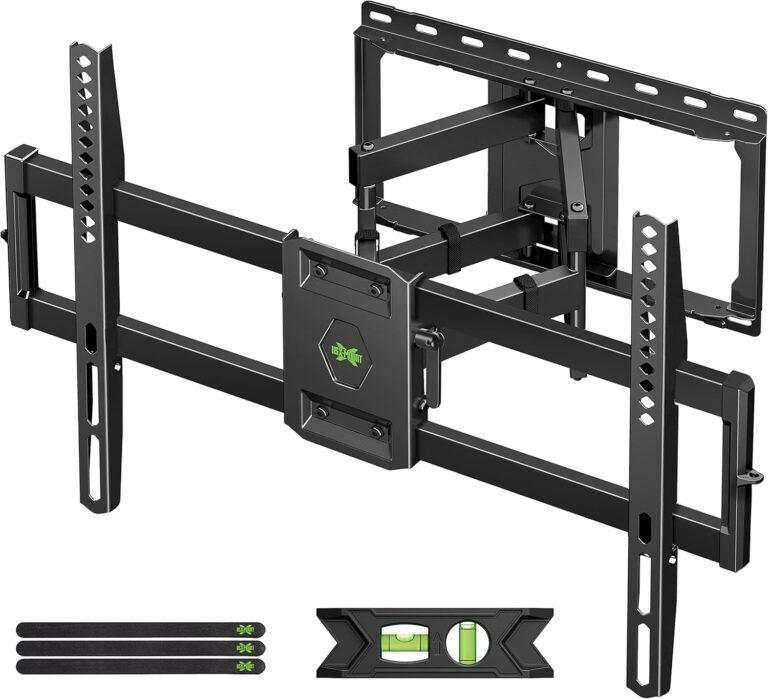
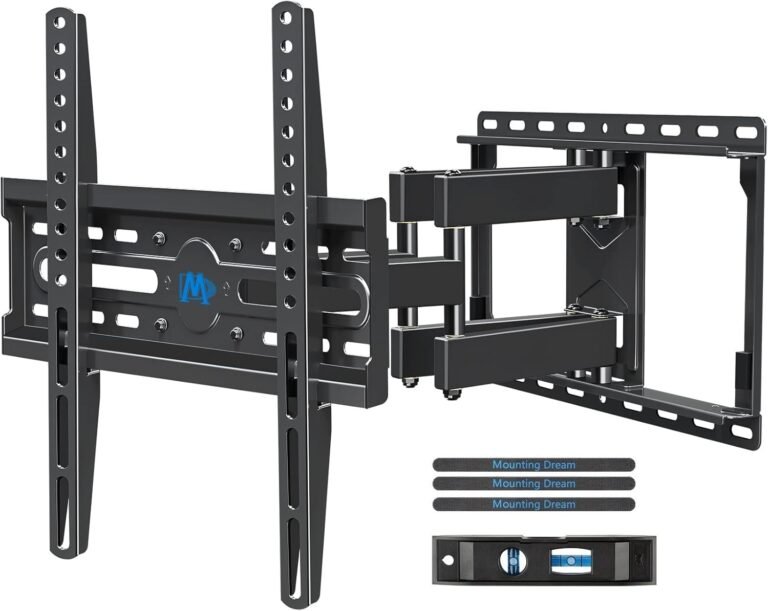
A full-motion mount extends away from the wall and allows you to swivel, tilt, and adjust the TV in multiple directions.
Pros:
- Maximum flexibility
- Great for corner setups
- Easy cable access
Cons:
Slightly more complex installation
More expensive
What Is VESA?
VESA refers to the standardized hole pattern on the back of your TV.
For example:
- 200×200
- 400×400
- 600×400
These numbers represent the distance (in millimeters) between mounting holes.
Before buying a wall mount, always check:
The mount’s supported TV size range
Your TV’s VESA size
Your TV’s weight
Can All TVs Be Wall Mounted?
Most modern flat-screen TVs (LED, OLED, QLED) are wall-mount compatible.
However, always check:
✔ That your TV has mounting holes on the back
✔ The weight of your TV
✔ The wall type (drywall, concrete, brick)
What Tools Are Needed to Mount a TV?
Basic installation usually requires:
- Drill
- Stud finder
- Level
- Screwdriver
- Measuring tape
If you’re unsure, hiring a professional installer is always a safe option.
Where Can You Mount a TV?
You can mount a TV on:
- Drywall (with studs)
- Concrete walls
- Brick walls
- Metal studs (special hardware required)
Avoid mounting directly into drywall without studs unless using a mount designed specifically for no-stud installation.
Is Wall Mounting Safe?
Yes — when installed correctly.
To ensure safety:
- Always mount into wall studs (for drywall)
- Use the correct screws and anchors
- Make sure the mount supports your TV’s weight
- Double-check alignment before tightening bolts
How High Should You Mount a TV?
For most setups, the center of the TV should be roughly at eye level when seated.
A common guideline:
- 42–48 inches from the floor to the center of the TV
This may vary depending on room layout and furniture height.
Final Thoughts
A TV wall mount is one of the simplest upgrades you can make to improve your living space. It saves space, improves viewing comfort, and creates a modern look.
For beginners, the most important things to remember are:
✔ Choose the right mount type
✔ Check VESA compatibility
✔ Confirm wall type
✔ Follow safety guidelines
Once installed correctly, a wall-mounted TV can last for years without issues.